Freedom Yoga: An Introduction
Freedom Yoga
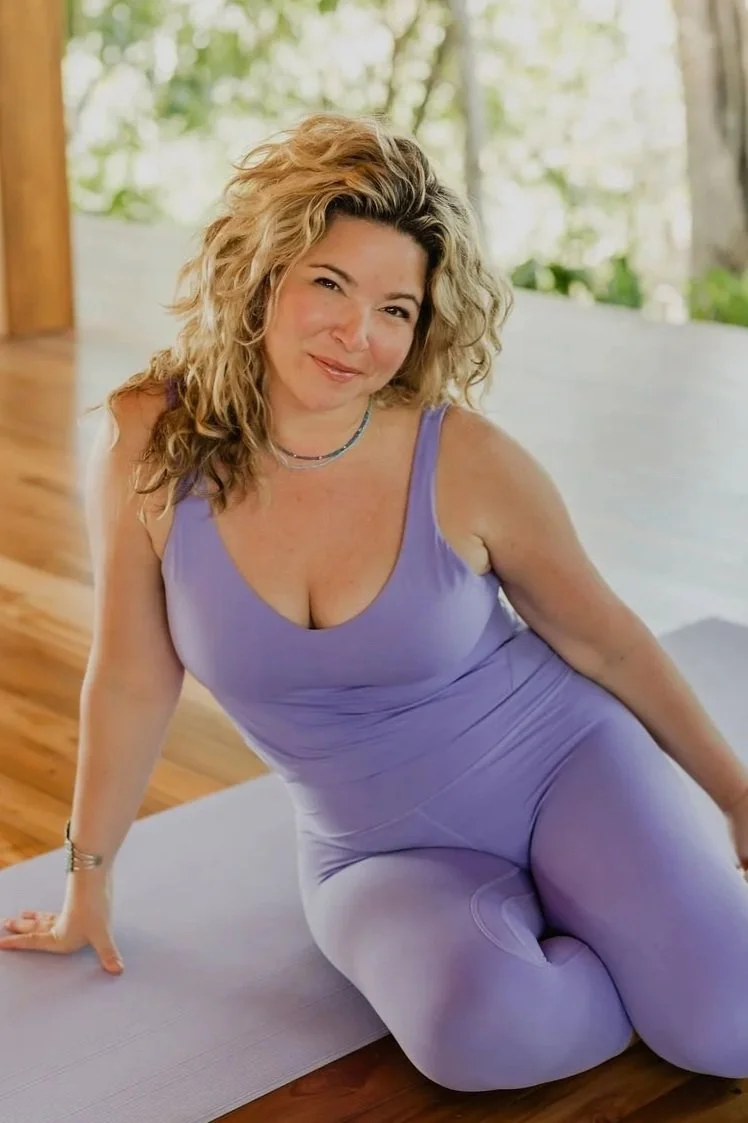
Freedom Yoga is about using the discipline of yogic practices and allowing that discipline to flower into an intuitive, embodied practice. From the outside, this practice may resemble Hatha Yoga; yet at its heart, it is deeply rooted in Raja Yoga—the yoga of meditation, awareness, and conscious union with the Infinite.
My primary teacher, Erich Schiffmann, modeled and transmitted the essence of Freedom Yoga through both his teaching and his way of being: Erich is the presence of peace and love. What I share here is deeply influenced by that lineage and lived experience.
The Meaning of Yoga
The word yoga comes from the Sanskrit root yuj, meaning to yoke or to join. Yoga is a conscious union with what may be called Infinite Consciousness, Big Mind, Universal or Divine Consciousness, Cosmic Consciousness, Mother Nature, Source Energy, Supreme Being, or God.
The essential truth is that we were never actually separate from Divine Consciousness—we simply forgot. While it is not inherently wrong to function from a limited or small mind sense of self, the belief that we are isolated, separate beings creates immense suffering for ourselves and for others.
As we begin to experience what life feels like when we soften our grip on this limited perspective, something naturally opens. We yield, receive, and reconnect with the inherent goodness of our true nature. Over time, we may gladly and willingly let go of the insistence on being a separate, solo self and instead recognize ourself as a unique Self-expression of Divine Consciousness.
You may notice that different language resonate differently for each person. Allow me to invite you to silently inquire: What word(s) feel true for me? Language that resonates with me include the Universe, Divine Consciousness, Cosmic Consciousness, the Infinite, and Big Mind. Having language that supports your present-moment experience can be extremely helpful. At its core, yoga is about your most important relationship—the one you have with yourself—cultivated through kindness, love, and compassion.
The Practice
The heart of the practice is simple and ongoing: to pause mentally, breathe, and relax—or meditation. This can be done at a regular time each day and also spontaneously throughout daily life whenever you think about it.
Practicing yogasana (postures), pranayama (breathing practices), and meditation with gentle persistence creates the conditions for meaningful change. This consistency is the discipline of the practice and may naturally be experienced as a form of devotion. To receive benefits, regular practice is essential.
This practice encourages Self-trust, presence, and gentle, persistent inner listening.
Meditation
Benefits
Meditation can be understood as mindfulness training—strengthening your ability to focus attention, expand awareness, and skillfully move attention from one experience to another.
The benefits of regular meditation are vast and deeply supportive of daily life. Over time, you may notice increased steadiness of attention, greater resilience in the face of life’s ups and downs, and a growing sense of peace and calm. The nervous system begins to regulate, mood improves, and clarity deepens.
With continued practice, you may discover the deeply supremely satisfying practice of listening for inner guidance—becoming more sensitive to the inner feeling or the quiet knowing of being guided by your deepest heart’s desire. This is about trusting the inner feeling that says go, or even the moments of not knowing, and pausing and listening for inner direction. This practice supports more authentic communication, greater ease within yourself, and more aligned relationships.
How to Practice
When choosing a meditation posture, comfort is the most important factor. You may sit in a chair, on a sofa, cross‑legged on the floor with supportive props, or even propped up with pillows in bed—one of my personal favorites, affectionately called bed med, a term I picked-up from Erich Schiffmann.
Classic mindfulness meditation is simple and accessible:
Sit comfortably and bring your attention to the tip of your nose. Notice the sensation of the breath as it moves in and out through your nostrils. This is the act of focusing your attention, like shining the flashlight of your attention directly upon the sensations of your breath.
Allow your awareness to expand and notice what currently has your attention, whether it is the breath, a thought, a memory, or a feeling. This is awareness opening wide, like a floodlight: spacious and inclusive.
When you notice your attention has drifted, gently guide it back to the sensation of the breath moving in and out through the nostrils, again and again, without judgment. This is similar to juggling, exercising your attention and awareness as one of your most powerful capabilities.
Research by Dr. Amishi Jha demonstrates that even brief, consistent meditation—just 12 minutes, four days a week—can produce measurable benefits. Her work offers encouraging evidence that meditation is both accessible and effective.
Bringing Your Practice into Your Life
Let your practice live where you live.
Be curious about your inner world and meet each moment with a beginner’s mind. Return often to meditation, even briefly, allowing small, consistent pauses to steady and nourish you. Practice unconditional loving‑kindness, compassion, and generosity toward yourself—especially when it feels most challenging.
Become the presence which love can flow through freely. Tend to your inner landscape and allow peace to arise from the inside out. Peace is a choice, and luckily is your natural state of being. Gently and willingly let go of what no longer serves you or supports your optimal functioning in this present moment.
If this way of practicing speaks to you, I encourage you to begin with a simple home meditation practice and allow it to naturally support your daily life. And if you feel called to explore this practice in a supportive, shared space, you are warmly invited to join me in Freedom Yoga classes—both online and in person—as well as workshops and retreats.
Current offerings and upcoming retreats in Santa Monica, Chicago, West Lafayette, Indiana; the Northwoods of Wisconsin; and Costa Rica can be found at www.aliemcmanus.com.